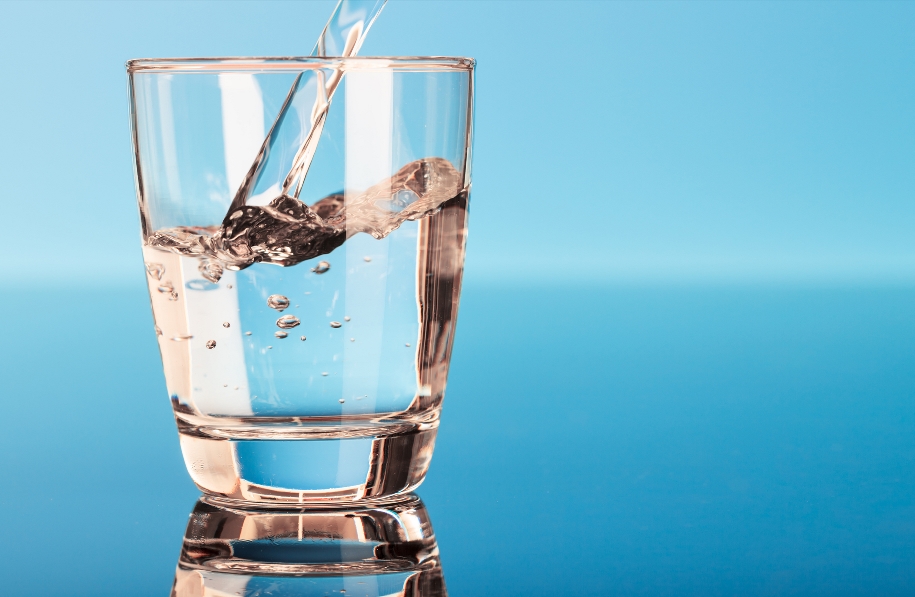
Water, as a fundamental element of life, plays a crucial role in maintaining and protecting health.
Water is essential for the healthy functioning of many systems in the body. Therefore, sufficient fluid intake is of vital importance. Throughout the day, our bodies accumulate many toxins due to factors like imbalanced nutrition, processed foods, air pollution, and stress. Water constantly circulates between our cells, helping to flush these harmful wastes from the body. It is also necessary for our excretory system, digestive system, and heart and brain functions.
Water also helps us with the following functions:
- It supports keeping the body at the correct temperature.
- It acts as a carrier for the removal of waste materials from the body.
- It ensures that minerals and vitamins are dissolved and transported throughout the body.
- It prevents loss of concentration.
- It suppresses appetite and speeds up calorie burning.
- It contributes to converting the food we consume into energy.
- It beautifies the skin by providing the necessary moisture.
- It protects the heart.
- It contributes to the regular functioning of our organs, especially the kidneys.
- It moisturizes oxygen during breathing, helping us to breathe more easily.
- It acts as a cushion in joints, regulating their movements.
The healthiest way to quench your thirst and the most important source is water itself. Although the body’s needs can be met with many liquids, water itself is the healthiest way to quench thirst and regulate bodily functions.
Since our metabolism cannot store water, we need to constantly replenish the amount of water lost. The daily amount of water that should be consumed varies depending on many factors such as age, gender, level of physical activity, and climate. However, in its scientific opinion on Nutrient Reference Values for water dated March 2010, the European Food Safety Authority (EFSA) recommends a daily water intake of 2 liters for an adult woman and 2.5 liters for an adult man under normal activity and temperature conditions. EFSA states that only 20% of this need can be met through solid foods.
A 2% water loss in our body can cause an increase in body temperature; a 7% loss can lead to hallucinations, and a 10% loss can be fatal. Drinking enough water helps maintain our mental and physical performance and the continuation of our normal bodily functions.